How to Care for Your Dog During the Colder Months: Essential Tips for Winter Wellbeing
As temperatures drop, ensuring a dog’s well-being becomes essential. Keeping them warm, active, and well-nourished is vital during colder months. Owners should take extra care to monitor their dog’s comfort, from providing appropriate attire to adjusting their exercise routines.
Many dogs thrive in cooler weather, but some breeds are more susceptible to the cold. It is important for owners to choose suitable coats and blankets and create a warm resting area. Routine checks on paws are also crucial, as snow and ice can cause irritation or injuries.
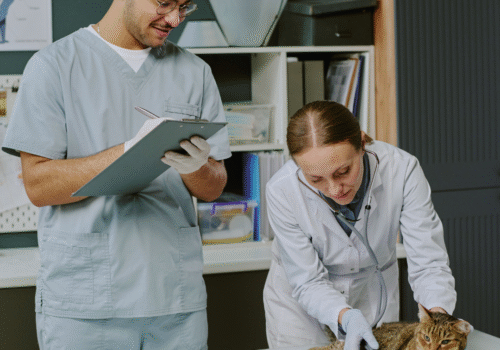
Regular vet check-ups are invaluable during winter, as health issues can arise more quickly in cold weather. Ensuring vaccinations and flea treatments are up to date can prevent additional complications. With proper attention and care, pets can enjoy the beauty of winter with their owners.
Understanding the Impact of Cold Weather on Dogs
Cold weather can significantly affect a dog’s health and well-being. It is crucial for owners to recognise these effects to ensure their pets remain comfortable and healthy during the winter months.
How Cold Weather Affects Dog Health
Cold weather can contribute to a range of health concerns in dogs, including hypothermia and frostbite. Common signs include shivering, reduced activity, and reluctance to move. Frostbite often affects the ears, paws, and tail, so these areas should be checked regularly during the winter months. If swelling, discoloration, or visible discomfort is present, veterinary attention may be necessary.
In addition to these conditions, lower temperatures can also worsen joint-related issues, particularly in cases of canine osteoarthritis. Dogs experiencing this condition may show signs such as stiffness, limping, or hesitation during walks. Older dogs and those with existing mobility problems are especially at risk. To help manage discomfort, it is important to provide a warm resting area, limit exposure to cold weather, and maintain a routine of gentle, low-impact exercise. Some pet owners also consider advanced, non-surgical treatments available through veterinary care. These options are designed to offer longer-lasting relief from joint pain and can help improve mobility even in colder seasons. Beyond joint issues, older dogs can also face other age-related health concerns, such as respiratory conditions. For instance, a collapsed trachea, which can cause breathing difficulties, often affects smaller, older breeds. Providing natural support for a collapsed trachea in dogs can be crucial for their comfort and quality of life, especially as they age.
Signs Your Dog Is Feeling the Cold
Dogs may show clear signs when they are uncomfortable in the cold. Common indications include shivering, whining, or seeking warmth by curling up or lying close to their owners. Additionally, a dog may be reluctant to go outside, which can signal its aversion to cold weather.
Other signs include lifting paws or stopping frequently during walks, indicating that the ground is too cold or uncomfortable. Owners should keep an eye on their dog’s behaviour and adjust outdoor activities accordingly to ensure their pet remains warm and happy.
Meanwhile, keeping dogs comfortable indoors is equally important. This can involve maintaining a warm environment with cozy bedding, adjusting Radiators, or using space heaters to ensure consistent heat. Owners can also provide blankets, heated mats, or create draft-free areas where their pets can rest safely. By attending to both indoor and outdoor comfort, dogs can remain healthy, happy, and well-protected from the cold.
Vulnerable Breeds and Age Groups
Certain breeds are more susceptible to the effects of cold weather. Small breeds, short-haired dogs, and puppies can struggle to regulate their body temperature effectively. Breeds like Chihuahuas and Greyhounds, with limited insulation against cold, are particularly vulnerable.
Moreover, older dogs often have diminished fat reserves and joint issues, making them less equipped to handle the cold. Owners of these dogs should consider providing extra warmth, such as dog coats or blankets, when venturing outdoors. Regular visits to the vet can also help maintain these dogs’ health during colder months.
Essential Tips for Keeping Your Dog Warm and Comfortable
Managing a dog’s comfort during the colder months is essential for their well-being. Focusing on providing adequate indoor shelter, selecting the right bedding, and choosing appropriate clothing can significantly enhance a dog’s comfort in cold weather. Maintaining overall warmth in the house also plays a key role in keeping pets comfortable during winter. When heating issues hindering their comfort arise, trusted furnace repair services in Chattanooga (or similar ones elsewhere) can step in to restore consistent warmth throughout the house.
Providing Appropriate Indoor Shelter
A warm and secure indoor environment is crucial for dogs in winter. It’s important to ensure that the space has adequate insulation and is free from drafts.
Key considerations include:
- Location: Place the dog’s bed in a warm area away from doors and windows.
- Bedding: Use blankets or cushions that retain heat and provide comfort.
- Air circulation: Ensure that the area is well-ventilated without being cold.
If a dog spends time outdoors, a well-insulated dog house can provide shelter, but it should be raised above the ground to avoid moisture and cold seepage.
Choosing the Right Dog Bed for Winter
The right dog bed can make a substantial difference in a dog’s warmth during colder months.
Important features to look for:
- Material: Look for beds made from thick, warmth-retaining fabrics.
- Elevated beds: Heated or self-warming options keep pets cosy by reflecting their body heat.
- Size and shape: The bed should allow a dog to curl up snugly, preserving body warmth.
Regularly check for wear and tear. An old bed may not provide adequate insulation or support, so replacing it can improve a dog’s comfort.
Selecting Dog Coats and Jumpers
When taking dogs outdoors, protective clothing can help them retain warmth. Selecting the right coat or jumper is important for effective protection against the cold.
Factors to consider include:
- Material: Look for waterproof and insulated fabrics to keep warmth in.
- Fit: Clothing should fit snugly without restricting movement. Ensure it covers the body adequately.
- Style: Some coats and jumpers come with hoods or additional layers for extra warmth.
Before purchasing, measure the dog properly to ensure the correct size. A well-fitted coat can make winter walks more enjoyable for both the dog and the owner.
Daily Care and Protecting Against Cold Weather Risks
During colder months, adequate care for dogs is essential to ensure their health and well-being. This involves attentive grooming, safeguarding their paws, maintaining exercise routines, and being vigilant for cold-related health issues.
Routine Coat Care and Grooming
Regular grooming is vital for dogs as it helps maintain a healthy coat. Different breeds have varying coat types; for example, double-coated breeds require more frequent brushing to remove dead hair and prevent matting.
It is essential to check for any skin issues that may surface in winter, as dry skin is common due to the cold and indoor heating. Bathing should be limited to avoid stripping natural oils.
For dogs with longer fur, consider trimming hair around the paws and sanitary areas to prevent ice accumulation and discomfort. This grooming routine helps ensure that the dog stays comfortable and healthy throughout the winter months.
Using Paw Balm to Prevent Cracking
Paw care is crucial in winter, as cold weather and salt on pavements can lead to painful cracks and sores. Applying a high-quality paw balm can protect a dog’s paws from extreme temperatures and harsh chemicals.
Before going for walks, applying balm will create a barrier that shields against ice and road salts. After walks, examining the paws for any signs of injury or irritation is important. If the dog displays signs of discomfort, using a balm regularly can ease the healing process.
Keep in mind that dogs may lick off excess balm, so choose a pet-safe product. A regular paw care routine can significantly reduce winter-related paw injuries.
Safe Outdoor Exercise During Winter
Winter exercise is essential to keep dogs active and healthy. It is crucial to adjust exercise routines to suit the colder weather. Shorter, more frequent walks can be more beneficial than a single long outing.
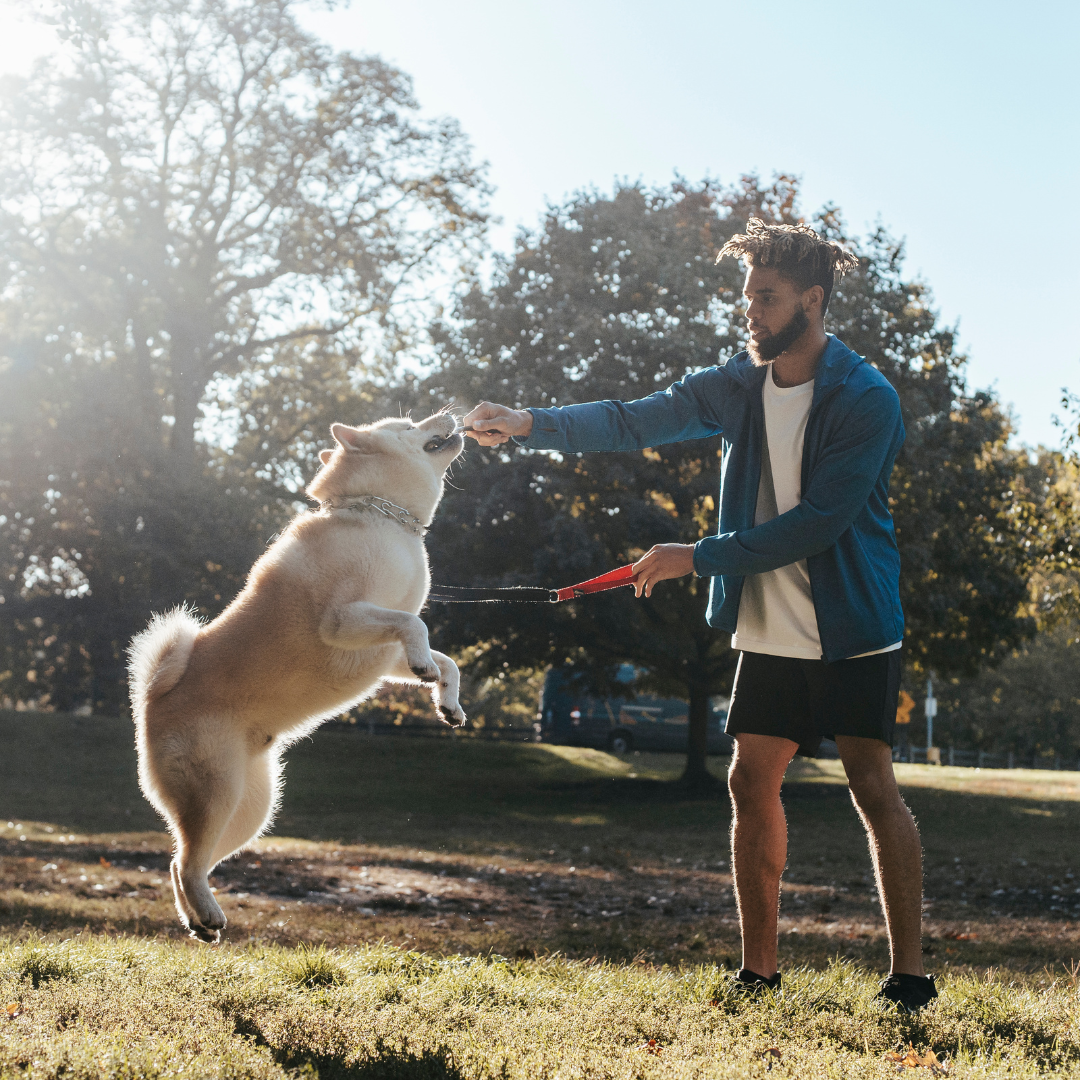
Opt for safe, well-lit areas free from ice when walking. Engaging in activities like fetch in a secure area can provide mental stimulation. Ensuring that the dog is warm enough is also key; consider using dog coats or sweaters for those that feel the cold more acutely.
Be mindful of the dog’s energy levels and comfort during outings. If the dog shows signs of fatigue or reluctance to walk, it may be time to head home.
Monitoring for Cold-Related Ailments
Cold weather can lead to various health issues in dogs, such as hypothermia and frostbite. Symptoms to look for include shivering, lethargy, and reluctance to move. Regular checks for frostbite are also important, mainly on the ears and paws. If there are any signs of injuries or skin issues, prompt veterinary attention is necessary.
Additionally, certain breeds are more susceptible to cold weather due to their size or coat type. Being aware of these predispositions can help guardians take appropriate action to ensure their pets remain healthy during the winter months.
Adjusting Your Dog’s Diet and Routine for Winter
Caring for a dog in winter requires attention to diet, hydration, and routine adjustments to keep them comfortable and healthy. Essential changes will help dogs adapt to colder weather, ensuring they receive the proper nutrition and care during this season.
Nutritional Needs During the Colder Months
In colder months, a dog’s metabolism may increase, requiring more calories to maintain body heat. Adjusting the dog’s diet can include adding a bit more protein and healthy fats. Consider foods rich in omega-3 fatty acids to improve skin and coat health. This can help prevent dryness and irritation commonly associated with winter.
Some owners may substitute meals with warm, homemade options. Stews or soups can be nutritious and comforting during colder weather. Always ensure any added foods are safe and healthy for dogs.
Hydration and Avoiding Dehydration
Cold weather does not diminish the need for hydration. Dogs can become dehydrated even in lower temperatures. Ensure fresh water is always available, as dogs might not drink as much if the water is icy.
During outdoor activities, dogs can lose moisture through panting or exertion. It is crucial to encourage regular water breaks. Adding wet food to their diet can also help maintain hydration levels. Keep an eye out for signs of dehydration, such as lethargy or dry gums. Regular hydration checks are essential in the winter months to keep dogs healthy.
Maintaining a Consistent Schedule
Maintaining a consistent daily routine helps a dog feel secure and comfortable during winter. Regular feeding times can improve digestion and help manage energy levels. Outdoor exercise remains vital even when temperatures drop. Shorter, more frequent walks can prevent overexertion while still providing necessary physical activity. Adjusting the timing of walks can help avoid the coldest parts of the day.
Additionally, incorporating indoor playtime can help keep the dog active. Engaging in games or training sessions indoors provides mental stimulation and strengthens the bond between dog and owner.