How to Manage Seasonal Allergies in Pets Effectively and Safely
Seasonal allergies can affect pets just as much as humans, causing discomfort and irritation. Common signs include itching, sneezing, watery eyes, and skin problems. Managing seasonal allergies in pets involves identifying triggers, minimising exposure, and using appropriate treatments to reduce symptoms.
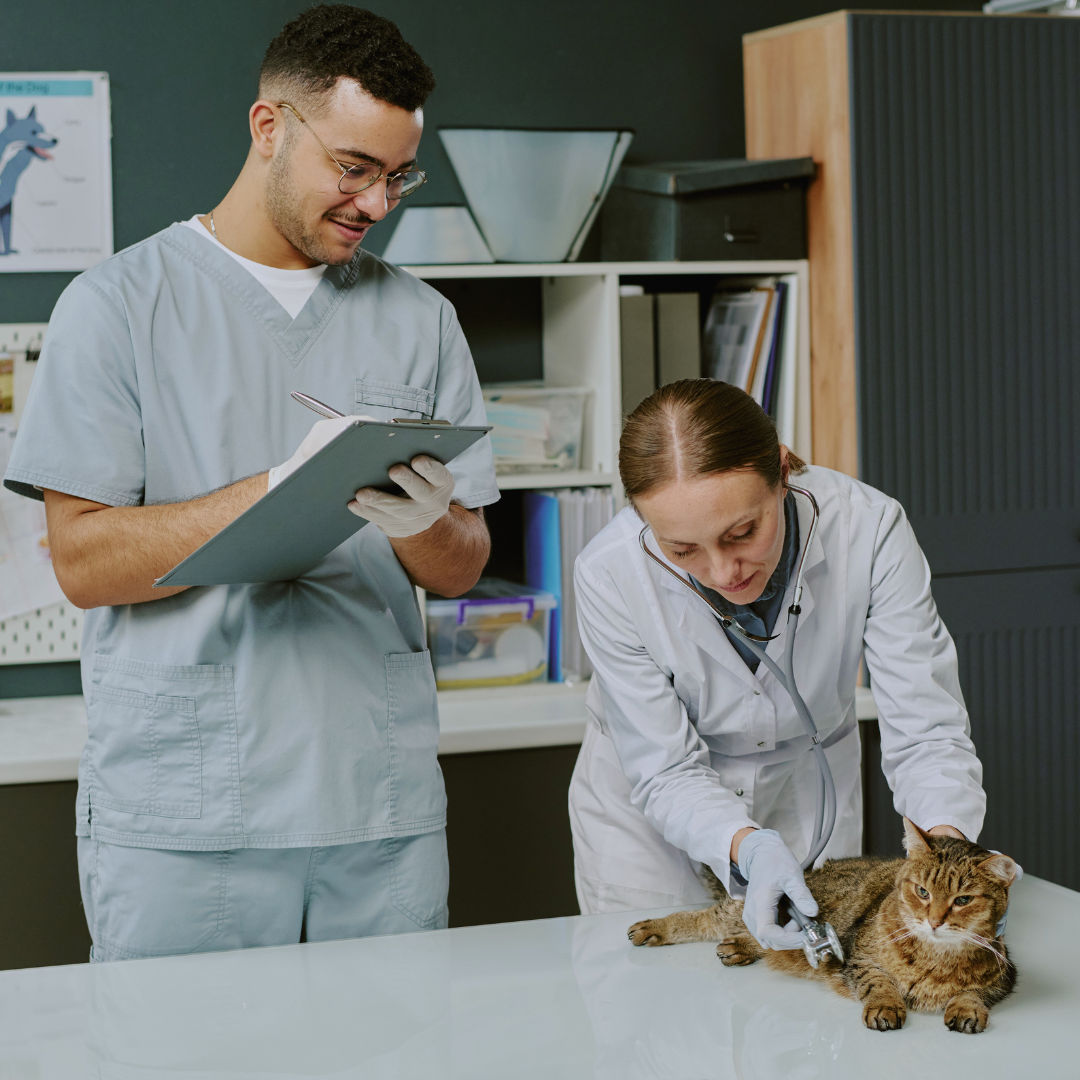
Pet owners should monitor changes in their animal’s behaviour and environment to spot allergy signs early. Consulting with a veterinarian is essential for accurate diagnosis and tailored treatment plans, which may include medication or special shampoos.
Preventative measures, such as regular cleaning and avoiding peak pollen times, can help reduce allergic reactions. Understanding these steps ensures pets stay healthy and comfortable during allergy seasons.
Understanding Seasonal Allergies in Pets
Seasonal allergies in pets occur when their immune systems react to specific environmental substances during particular times of the year. These reactions can be complex but generally depend on the allergens present and the pet’s sensitivity. The information below outlines what triggers these allergies, how they differ from other types, and which breeds are most at risk.
What Triggers Seasonal Allergies
Seasonal allergies in pets are primarily caused by environmental allergens like pollen from grasses, trees, and weeds. These allergens vary by region and season, with spring and early summer being peak times for tree and grass pollen.
Other triggers include mould spores and dust mites, which increase in warmer, wetter months. Unlike food allergies, these triggers are airborne and cause symptoms when inhaled or come into contact with the pet’s skin.
Typical signs include sneezing, itching, watery eyes, and skin irritation. Identification of the specific allergen often requires veterinary testing, such as intradermal skin testing or blood tests.
Differences Between Seasonal and Other Pet Allergies
Seasonal allergies appear at specific times of the year and are linked to external environmental factors. In contrast, non-seasonal allergies like food allergies occur regardless of the season and stem from dietary ingredients.
Seasonal allergies usually cause symptoms such as itching, ear infections, and red, inflamed skin that worsen during allergen exposure. Food allergies often present with gastrointestinal issues alongside skin problems.
Treatment approaches also differ. Seasonal allergies may be managed with antihistamines, steroids, or allergy shots targeted at specific allergens. Food allergies require strict diet changes to exclude offending ingredients.
Breeds Most at Risk
Certain breeds have a higher predisposition to developing seasonal allergies due to genetic factors affecting their immune systems. Dogs such as West Highland White Terriers, Boxers, Bulldogs, and Retrievers are more commonly affected.
Cats can also suffer, but breed predisposition is less clearly defined; however, Siamese and Devon Rex cats may show higher sensitivity.
Pets with a family history of atopy or allergy are at increased risk. Early signs in these breeds should prompt veterinary assessment to begin management before symptoms worsen.
| Breed | Commonly Affected Species | Notes |
| West Highland White Terrier | Dog | Highly prone to atopic dermatitis |
| Boxer | Dog | Often shows severe skin responses |
| Bulldog | Dog | Prone to both skin and ear allergies |
| Retriever | Dog | Susceptible to pollen allergies |
| Siamese | Cat | Possible increased sensitivity |
| Devon Rex | Cat | Higher risk of skin hypersensitivity |
Identifying Symptoms and Diagnosis
Seasonal allergies in pets often show specific physical signs and behaviours. Accurate diagnosis is essential to distinguish allergies from other skin or respiratory conditions, enabling effective treatment.
Common Signs of Seasonal Allergies
Pets with seasonal allergies typically exhibit intense itching, especially around the face, paws, and ears. Frequent scratching, licking, or biting at their fur is a common reaction.
Other symptoms include red, inflamed skin and chronic ear infections. Pets may also show watery eyes, sneezing, or coughing if inhalant allergens affect their respiratory tract.
Hair loss or scabbing can develop from continual irritation. These signs often worsen during certain times of the year when pollen or mould spore counts rise.
Allergy Testing and Veterinary Evaluation
Veterinary evaluation begins with a detailed history of symptoms and environmental exposure. A vet will perform a thorough physical exam to rule out fleas, infections, or other causes.
Skin testing or blood tests are used to identify specific allergens. Skin prick tests involve exposing small areas of skin to allergen extracts and observing reactions.
Blood tests measure allergen-specific antibodies to locate triggers. These tests guide targeted treatment plans such as immunotherapy or avoidance strategies.
How Allergies Affect Pet Health
Untreated allergies compromise a pet’s well-being by causing chronic discomfort and skin damage. Constant scratching can lead to secondary infections from broken skin.
Allergies may also impact behaviour, with irritability or restlessness caused by persistent itching. In severe cases, allergies may lead to ear infections or respiratory distress from inhaled allergens.
Early recognition and proper diagnosis reduce the risk of long-term complications and improve the quality of life for affected pets.
Proactive Allergy Management at Home
Managing seasonal allergies in pets requires targeted actions to reduce allergen exposure inside the home. Regular grooming, thorough cleaning, and modifying outdoor time help minimise symptoms effectively.
Grooming and Bathing Practices
Frequent grooming removes pollen and dust clinging to fur. Brushing pets daily prevents allergens from accumulating and spreading through the house. Use a damp cloth or pet-specific wipes for sensitive areas like the face and paws.
Bathing with hypoallergenic shampoos every two to four weeks helps wash away irritants. Avoid overbathing, as it can dry out the skin and worsen itching. After outdoor walks, wiping down with a damp towel reduces pollen residue on the coat.
Cleaning Routines and Allergen Reduction
Washing pet bedding weekly in hot water removes trapped allergens and dust mites. Vacuuming floors, carpets, and upholstery daily using a HEPA filter vacuum cuts down allergen build-up significantly.
Keep windows closed during high pollen times, and use air purifiers with HEPA filters in common pet areas. Frequently clean hard surfaces and doorways to prevent pollen entry.
Adjusting Outdoor Activities
Limit outdoor exercise when pollen counts are highest, usually early morning and late afternoon. Choose grassy or dirt paths over heavily vegetated areas to reduce pollen contact.
After walks, pets should be wiped or rinsed to remove allergens before entering the home. Dry days with wind can increase airborne pollen, so adjusting the duration and timing of outdoor activities can reduce exposure.
Treatment Options and Ongoing Care
Managing seasonal allergies in pets often involves combining several approaches tailored to the pet’s needs. Treatment usually includes medication, dietary adjustments, and preventive measures to reduce allergen exposure.
Medications and Veterinary Interventions
Veterinarians commonly prescribe antihistamines such as cetirizine or chlorpheniramine to reduce itching and inflammation. In some cases, corticosteroids may be used for short-term relief but require caution due to potential side effects.
For severe allergies, immunotherapy (allergy shots) can help build tolerance to specific allergens over time. This involves identifying allergens through testing and administering small doses regularly.
Topical treatments like medicated shampoos or sprays can also ease skin irritation and remove allergens from the coat. It is essential to follow the vet’s guidance strictly for safe and effective use.
Nutritional Support and Supplements
A diet formulated to support skin health can improve a pet’s resistance to allergic reactions. Foods rich in omega-3 fatty acids (from fish oil or flaxseed) help reduce inflammation and improve coat condition.
Supplements containing vitamin E, zinc, and probiotics may also support immune function and skin barrier repair. However, veterinary consultation is necessary before adding supplements to ensure appropriate types and dosages.
Hydration and a balanced diet contribute to overall health, making it easier for the pet to manage seasonal allergies.
Long-Term Strategies for Allergy Control
Minimising allergen exposure is key to long-term allergy management. Regularly cleaning the pet’s bedding and vacuuming home areas helps reduce pollen and dust.
During high pollen seasons, wiping the pet’s paws and coat after walks can prevent allergen transfer into the home. Keeping pets indoors during peak pollen times and using air purifiers with HEPA filters further reduces exposure.
Regular veterinary check-ups are important to adjust treatments as the allergy season changes or new symptoms emerge. Consistency and early intervention improve the quality of life for pets with seasonal allergies.