
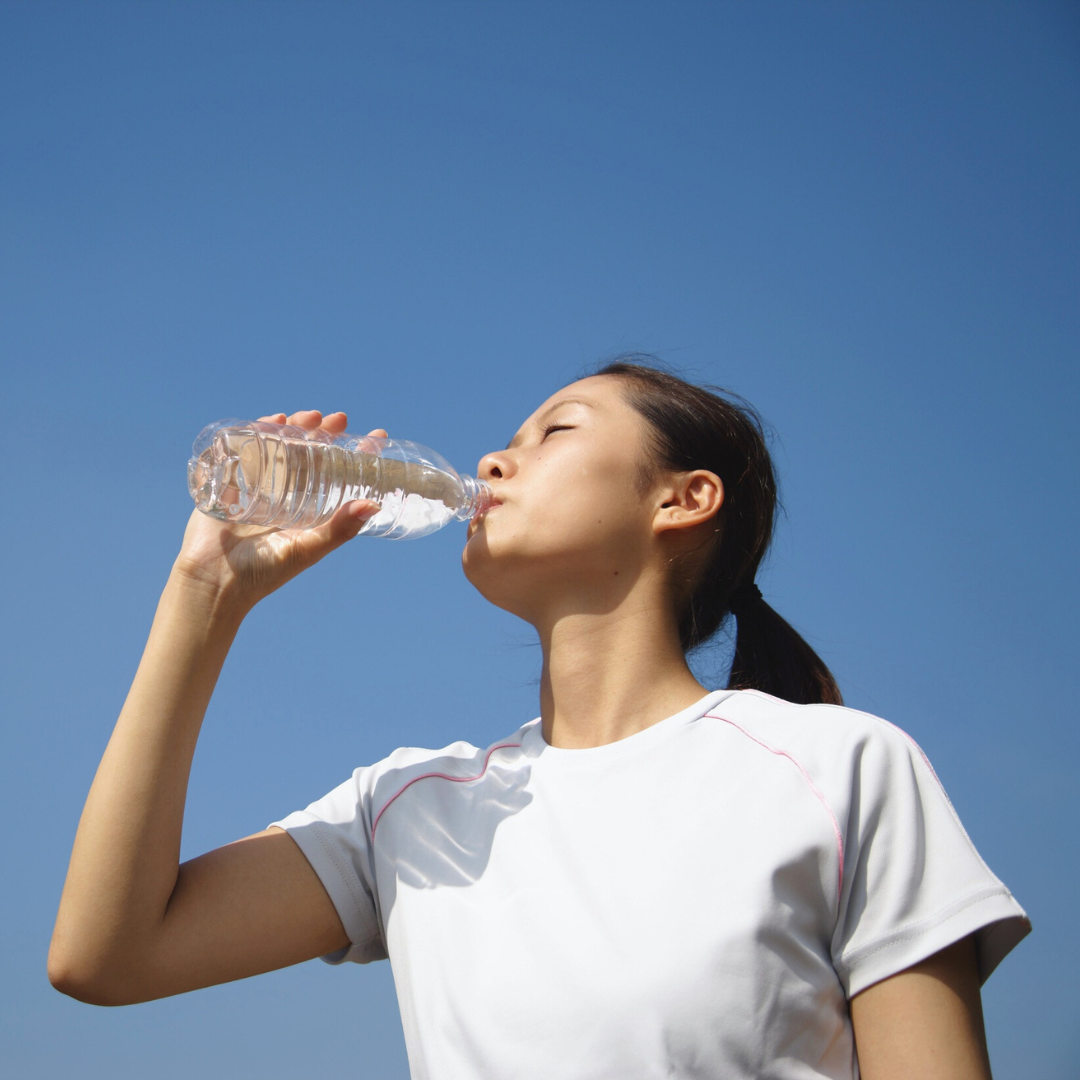
How Hydration Supports Physical Performance and Optimises Endurance
Hydration plays a crucial role in maintaining optimal physical performance. When the body is properly hydrated, it can regulate temperature efficiently, deliver nutrients to muscles, and maintain endurance. Proper hydration is essential because even mild dehydration can reduce strength, coordination, and overall workout capacity.
During physical activity, the body loses fluids through sweat, which must be replaced to prevent fatigue and impaired function. Staying hydrated supports energy levels and helps delay the onset of exhaustion, ensuring performance does not decline prematurely.
Athletes and anyone engaging in exercise benefit from understanding how hydration impacts their ability to perform. By prioritising fluid intake before, during, and after activity, individuals can sustain better physical output and recovery.
The Role of Hydration in Physical Performance
Hydration directly influences how well the body functions during exercise. Maintaining optimal fluid levels supports muscle activity, delays fatigue, and aids temperature control, all vital for sustained physical effort and recovery.
Effects of Hydration on Athletic Performance
Proper hydration ensures cells have enough water to support muscle contractions and nerve impulses. Even mild dehydration, as little as 2% body weight loss, can reduce power output and increase perceived exertion.
Dehydration impairs coordination, concentration and increases the risk of cramps. Athletes performing in high-intensity or prolonged activities often notice diminished speed and strength when fluid balance is off.
Replacing fluids before, during, and after exercise helps maintain plasma volume, which supports cardiovascular function and oxygen delivery to muscles, directly impacting performance levels.
Impact on Endurance and Strength
Sustained endurance exercise demands stable fluid levels to delay the onset of fatigue. Dehydration reduces blood volume, causing the heart to work harder to pump oxygen-rich blood to muscles, thereby lowering endurance capacity.
Strength is also affected, as muscle cells require adequate hydration to maintain contractile efficiency. Reduced hydration leads to slower muscle recovery and increased muscle soreness post-exercise.
Athletes who hydrate well maintain better electrolyte balance, preserving nerve function and preventing early onset of muscle weakness during resistance training or long-duration events.
Thermoregulation and Fluid Balance
The body regulates temperature through sweat, which requires continuous fluid replacement. Without adequate hydration, the ability to dissipate heat decreases, raising core temperature and risking heat-related illness.
Sweat loss causes electrolyte depletion alongside water loss, disrupting fluid balance critical for cell function and hydration status. This imbalance further impairs physical and cognitive performance.
Maintaining hydration supports thermoregulation by sustaining blood volume and skin blood flow, allowing efficient heat transfer and reducing the risk of heat exhaustion during exercise.
Understanding Dehydration and Its Impact
Dehydration occurs when fluid loss exceeds intake, disrupting the body’s ability to function efficiently. Both a lack of fluids and excessive hydration can alter physical performance through changes in electrolyte balance and body mass.
Signs and Symptoms of Dehydration
Common signs of dehydration include dry mouth, thirst, and reduced urine output with a darker colour. Early dehydration often causes headaches, dizziness, and irritability, signalling fluid loss.
Muscle fatigue and cramping are frequent symptoms linked to electrolyte imbalance caused by dehydration. As body mass decreases due to sweat loss, physical endurance declines, increasing the risk of heat illness.
Monitoring these signs helps prevent escalation to severe dehydration, which can impair coordination and cognitive function, crucial for athletic performance and daily activities.
Risks Associated With Fluid Loss
Fluid loss from sweat during exercise leads to hypohydration, reducing blood volume and increasing cardiovascular strain. This limits oxygen delivery to muscles and can cause early onset of fatigue.
Dehydration elevates the risk of heat illness, such as heat exhaustion or heat stroke, which are serious medical conditions often caused by prolonged exposure to high temperatures without adequate rehydration.
Significant body mass loss, typically above 2%, negatively affects strength and endurance. Maintaining hydration supports stable body temperature and muscle function under physical stress.
Effects of Hypohydration and Overhydration
Hypohydration, or inadequate fluid levels, impairs electrolyte balance and can cause muscle cramps and decreased performance. It also slows reaction time and decision-making during physical activity.
Overhydration, though less common, leads to hyponatremia, a dangerous drop in blood sodium caused by excessive water intake. Symptoms include nausea, headache, and in severe cases, seizures.
Both conditions disrupt homeostasis, emphasising the need for balanced fluid intake that matches sweat and electrolyte loss during exercise to optimise performance and safety.
Hydration Assessment and Individual Needs
Understanding hydration requires measuring key indicators and recognising personal and environmental influences. Accurate assessment enables tailored hydration plans to suit varying sweat rates and conditions. Technology now supports monitoring fluid intake for precise adjustments.
Assessing Hydration Status
Hydration status is often evaluated using urine colour, a quick visual indicator. Pale yellow urine typically signifies adequate hydration, while darker shades suggest dehydration. More precise measures include urine specific gravity (USG) and plasma osmolality, which reflect body fluid concentration.
A USG above 1.020 usually indicates dehydration. Plasma osmolality assesses solute concentration in blood, offering a reliable hydration marker, though it requires clinical testing. Tracking body weight loss before and after exercise also helps assess fluid loss through sweating.
Influence of Sweat Rates and Environmental Factors
Sweat rate varies widely depending on activity intensity, individual physiology, and environmental conditions such as temperature and humidity. High sweat rates increase hydration needs to prevent performance decline or heat-related illnesses.
Body weight measurements reveal sweat losses that can reach over 2 litres per hour in extreme heat. Adjusting fluid intake according to sweating rates and environmental demands is crucial. Cold or dry environments can reduce perceived thirst, making deliberate hydration even more important.
Tools and Technology for Monitoring Fluid Intake
Hydration apps use algorithms and sometimes machine learning to personalise fluid intake recommendations by analysing past fluid consumption, sweat rates, and activity levels. They help users maintain a consistent hydration plan by sending reminders and tracking progress.
Wearable devices can monitor sweating rates and skin hydration in real time. Combining data from these tools improves accuracy in estimating hydration status and helps prevent both dehydration and overhydration during physical activity.
Hydration Strategies for Optimising Performance
Effective hydration requires deliberate planning before, during, and after exercise. Maintaining proper electrolyte balance and selecting appropriate fluids contribute significantly to sustaining physical performance.
Pre-Exercise Hydration Guidelines
Athletes should aim to drink about 400-600 ml of water two to three hours before exercise. This allows time for adequate fluid absorption and avoids discomfort.
Closer to exercise, consuming 150-250 ml around 20 minutes prior helps ensure hydration without causing gastrointestinal upset. Monitoring urine colour can guide hydration status; pale yellow suggests adequate hydration.
Pre-exercise hydration must include sodium to support fluid retention. Adding a small amount of salt or consuming a sports drink with electrolytes can improve water absorption and prevent dehydration.
Hydration During Physical Activity
During exercise lasting less than an hour, regular water intake at intervals of 15-20 minutes suffices. For longer or more intense sessions, fluid replacement should combine water and carbohydrate-electrolyte drinks.
The intake volume depends on sweat rate, which varies individually and is influenced by temperature and intensity. Typically, 150-350 ml every 15 minutes matches fluid losses without causing bloating.
Athletes must avoid overhydration, which risks hyponatraemia. Fluid consumption should aim to balance losses without excessive volume.
Post-Exercise Rehydration Approaches
Rehydration targets replacing about 150% of the fluid lost through sweat. This compensates for ongoing fluid loss through urine after exercise.
Using beverages containing sodium aids fluid retention and encourages rehydration. 1.5 litres per kilogram of body mass lost is a common guideline.
Consuming water alone can be insufficient. Including carbohydrate-electrolyte drinks supports glycogen restoration and electrolyte balance.
Electrolytes, Sports Drinks, and Food Sources
Sodium is essential for maintaining fluid balance and preventing excessive urine output. Typical sports drinks contain 460-1150 mg of sodium per litre to meet this need.
Carbohydrate-electrolyte drinks often provide 6-8% carbohydrates, optimising energy supply and fluid absorption.
Water-rich foods like cucumbers, oranges, and watermelon contribute to hydration and electrolyte intake. These can complement fluid strategies, especially post-exercise.
Including salty snacks or meals post-exercise can enhance sodium intake, supporting faster rehydration and recovery.




