How to Prepare a Home for a New Pet Safely and Efficiently
Preparing a home for a new pet requires careful planning to ensure a safe and comfortable environment. The key to welcoming a new pet is to create a space that meets their basic needs while minimising hazards. This involves organising essentials such as food, water, bedding, and toys in accessible areas.
It is important to check the home for any potential dangers like exposed wires, toxic plants, or small objects that could be swallowed. Setting up a designated area where the pet can feel secure will help them settle quickly into their new surroundings. Having everything prepared before the pet arrives reduces stress for both the animal and the owner.
Pet-Proofing and Creating a Safe Environment
A safe home environment requires recognising potential dangers and modifying spaces accordingly. Ensuring accessible areas are secure and creating pet-friendly zones helps prevent injury and promote well-being.
Identifying Household Hazards
Common risks include exposed electrical cords, small objects that pets can swallow, and toxic plants such as lilies or philodendrons. Cleaning products and medications should be stored in locked cabinets.
Sharp items like knives and tools need to be out of reach. Check window and balcony safety to prevent falls. It is essential to secure trash bins with lids to avoid ingestion of harmful materials.
Pet-Proofing Outdoor and Garden Spaces
Fence gaps or weak gates should be repaired to prevent escapes. Remove or cover toxic plants such as foxglove and azaleas. Check for areas where pests like snails or slugs could expose pets to poisons.
Tools and chemicals must be stored securely. Ensure pools or ponds are inaccessible or have covers. Creating shaded, sheltered areas protects pets from harsh weather.
Establishing Pet-Friendly Zones
Designate specific rooms or corners with beds, toys, and water bowls. Use non-slip rugs on smooth floors to reduce injury risk. Avoid placing valuables or breakables where pets frequent.
Use baby gates to limit access to hazardous areas. Provide quiet spaces to help pets feel safe and reduce stress. Regularly clean these zones to maintain hygiene and comfort.
Gathering Essential Supplies
Preparing a home for a new pet requires acquiring specific items to meet comfort, nutrition, hygiene, and activity needs. These supplies ensure the pet settles well and stays healthy.
Pet Bedding and Comfort Items
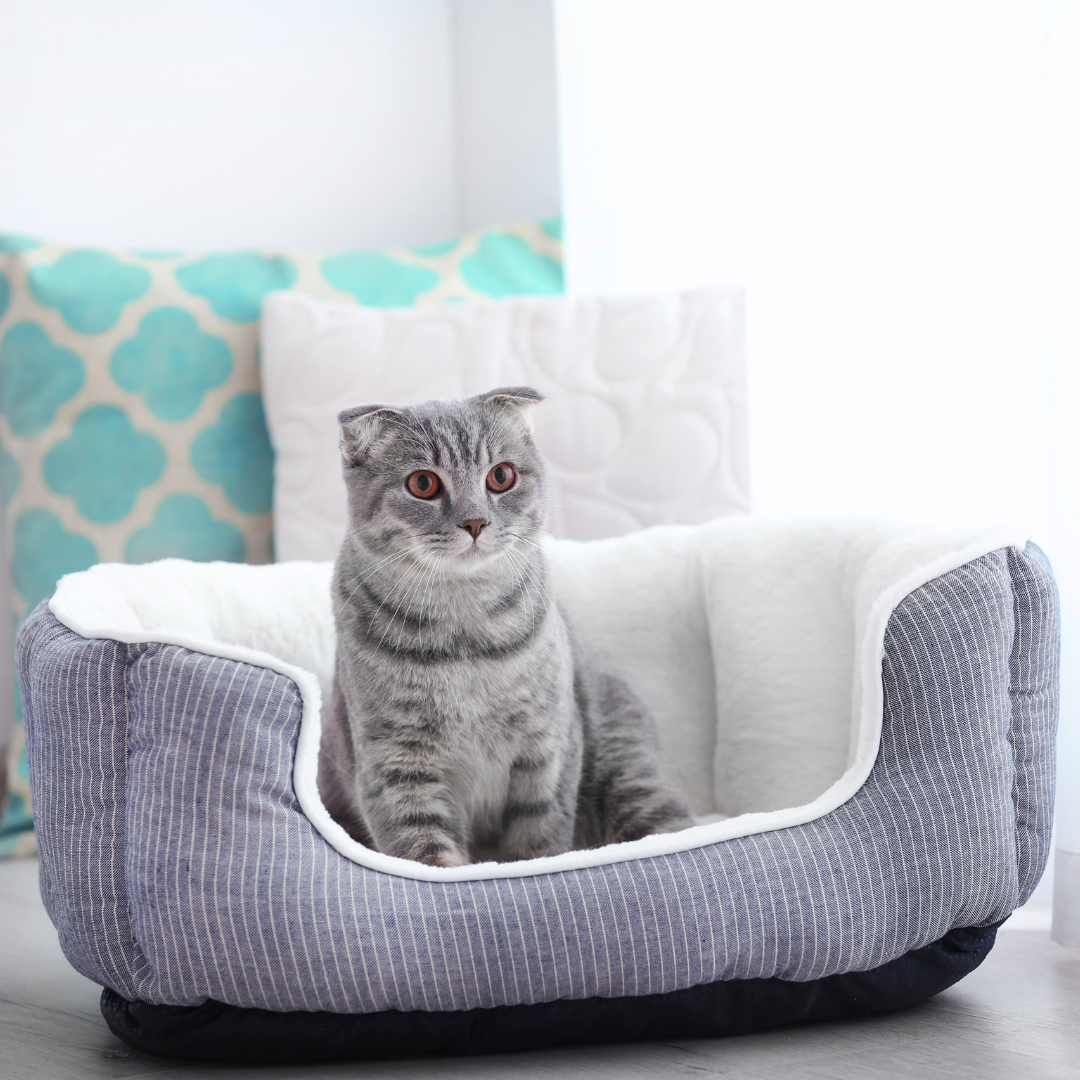
Comfortable bedding is essential for a pet’s rest and security. Choose a bed size appropriate for the pet’s breed and age, ensuring enough space to stretch. Materials like memory foam support older pets with joint problems, while washable covers maintain hygiene.
In addition to a bed, soft blankets and cushions create a warm environment. Placement is important; a quiet, draft-free area promotes rest. For pets like rabbits or guinea pigs, provide hay or straw as both bedding and a food source.
Food, Water Bowls, and Feeding Essentials
Feeding equipment should be durable and easy to clean. Stainless steel or ceramic bowls are preferred as they resist bacteria better than plastic. It’s ideal to have separate bowls for food and water.
Selecting the right pet food depends on the species, age, and dietary needs. Brands with clear ingredient lists and nutritional balance are recommended. Quantity and feeding times should be established early to build a routine.
Automatic feeders can help maintain consistent feeding schedules, especially for busy owners. Measuring scoops aid in giving accurate portions.
Litter Box, Scratching Posts, and Hygiene Supplies
For cats and some small animals, a litter box is vital. Choose a size and style suited to the pet’s preferences, with clumping or non-clumping litter options available. Regular cleaning prevents odours and health issues.
Scratching posts help cats maintain their claws and prevent furniture damage. Posts covered in sisal or carpet are effective and should accommodate a full body stretch. For rabbits and rodents, grooming brushes and nail clippers are necessary hygiene tools.
Additional hygiene supplies include shampoos formulated for specific animals and disposable gloves for safe cleaning.
Pet Toys and Enrichment
Toys provide mental stimulation and physical exercise. Active pets benefit from chasing balls, tunnels, or feather toys, while puzzle feeders challenge their problem-solving skills.
Select toys based on the pet’s age and size to avoid choking hazards. Rotating toys regularly keeps the pet interested and prevents boredom.
Enrichment items like climbing structures or chew toys encourage natural behaviours, contributing to overall well-being.
Preparing Your Household for the New Arrival
Preparing a home for a new pet requires clear planning and organisation. It involves managing relationships between people and animals, establishing clear rules, and making health and financial arrangements. These steps help ensure a smooth integration for everyone involved.
Introducing Household Members and Other Pets
When bringing home a new dog or puppy, gradual introductions are essential to reduce stress. Household members should be encouraged to interact calmly and gently with the new pet from the start. This limits fear or confusion in both humans and animals.
Existing pets need a controlled introduction. Start by allowing scent exchanges through bedding or toys before face-to-face meetings. Initial encounters should be short and supervised to prevent aggression.
Children should learn how to approach and handle the new pet respectfully. Clear expectations about pet care can foster positive bonds and reduce accidents.
Setting Boundaries and Household Routines
Establishing boundaries early helps a new pet understand its place in the home. Designate specific areas for eating, sleeping, and toileting to build consistent habits. Using gates or barriers can limit access to certain rooms initially.
Household routines should include regular feeding times, exercise, and play sessions. Consistency supports behavioural training and security for the pet. Everyone in the home should follow the agreed-upon routine to avoid confusion.
Rules about furniture, jumping, and barking must be communicated and enforced consistently. Using positive reinforcement encourages compliance effectively.
Pet Insurance and Health Preparations
New pet owners should arrange pet insurance before bringing the new dog or puppy home. Insurance helps cover unexpected veterinary costs such as accidents, illnesses, or routine care. Comparing policies on coverage, premiums, and exclusions is crucial.
Scheduling a health check-up with a veterinarian immediately after arrival is recommended. This allows early assessment, vaccinations, and parasite control. The vet will also advise on feeding and exercise plans suited to the animal.
Finding a reliable local clinic is a key step in this process. For pet owners in Southern California, clinics like SoCal Vet Group provide comprehensive care and easy scheduling options. These professionals help guide you through the initial check-up and set up a long-term wellness plan. Regular visits keep your pet healthy and give you peace of mind. Establishing this relationship early makes future emergency visits much less stressful.
Keeping medical records up to date, including microchipping details, promotes responsible pet ownership and quick recovery if the animal becomes lost.
Helping Your New Pet Settle In
Bringing a new pet home involves careful steps to ensure it feels secure and comfortable. Creating stability and understanding their needs early will aid a smooth transition.
Initial Adjustment Period and Patience
New pets often feel anxious or confused in unfamiliar surroundings. It is important to provide a quiet space with familiar items, like a blanket or toy, to help them feel secure.
Owners should avoid overwhelming the pet with too many people or loud noises during this time. Patience is essential as the pet gradually explores its new environment.
Signs of stress, such as hiding or refusal to eat, are common but usually improve within the first few days. If discomfort persists, consulting a vet might be necessary.
Establishing Routines for Comfort
Consistent feeding, walking, and play schedules help pets understand what to expect daily. Feeding at the same time builds trust and establishes a basic routine.
Regular toilet breaks and exercise times promote good behaviour and health. Predictability in routines reduces anxiety and helps pets feel more at ease.
Owners should also establish clear rules about furniture, resting spots, and acceptable behaviour early on. This clarity supports the pet’s understanding of its new home.
Supporting the Bonding Process
Bonding requires gentle interaction and respect for the pet’s pace. Physical contact, like gentle petting or brushing, encourages trust when the pet is receptive.
Offering treats during calm, positive interactions reinforces good behaviour and fosters a connection. Avoid forcing affection, as this can create resistance.
Spending quiet time together, such as sitting nearby without direct engagement, also helps build familiarity and comfort gradually. Repetition of positive experiences strengthens the relationship.