
Not Just Cleanings: What Your Dentist Can Really Do for You
If you think your dentist is just there to poke around and give your teeth a quick polish, think again. There’s a lot happening behind the scenes in that chair. Dentists don’t just fix what’s broken; they’re trained to spot potential issues early, improve how your mouth functions, and support other parts of your health that most people never associate with dentistry.
Let’s pull the curtain back and look at what your dentist can really do for you, beyond the standard cleaning.
Early Detection That Saves You Trouble Later
A lot of dental problems don’t start with pain. They creep in slowly. By the time you feel something, it’s often much more complicated to fix. That’s why dentists like Carousel Dental focus so heavily on prevention. They’re trained to spot signs you’d never notice yourself, such as tiny cavities, inflamed gums, and early signs of wear on enamel or jaw stress. These small clues can point to bigger issues ahead, like infections, abscesses, or even bone loss.
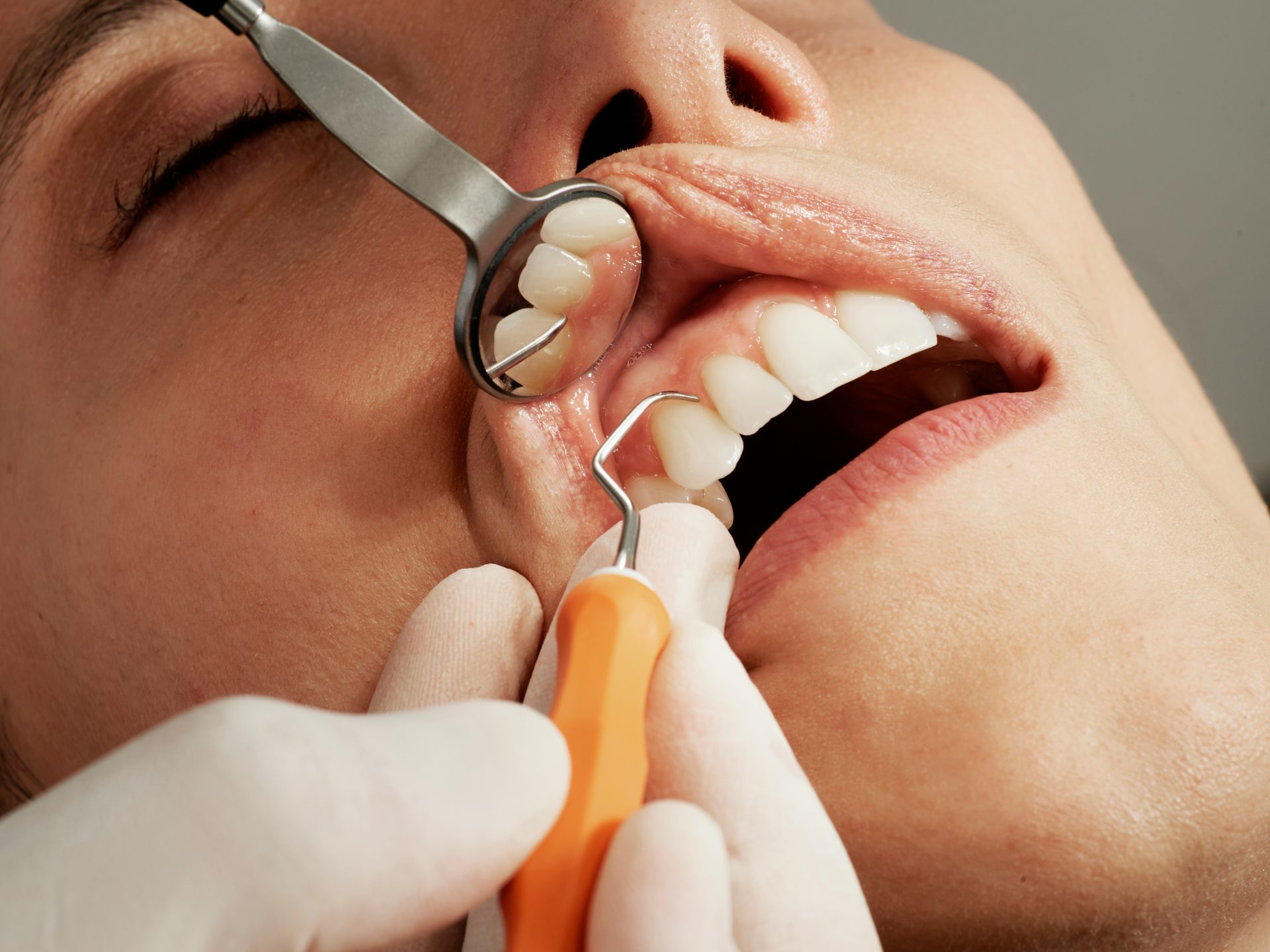
During a standard check-up, they’re not just looking at teeth. They’re assessing your gums, checking your bite, looking for any suspicious spots in your mouth, and evaluating how your jaw is moving. It’s a whole-mouth approach, and it can prevent much more than just fillings.
It’s Not Just About Teeth
Here’s something a lot of people don’t realise: oral health is closely tied to your general health. A dentist might be the first one to notice signs of something bigger going on in your body.
For example, dry mouth can be a side effect of medications or a symptom of autoimmune conditions. Gum inflammation has been linked to heart disease and diabetes. Worn-down enamel or flat teeth could mean you’re grinding your teeth in your sleep, which is often a response to stress or sleep disorders.
There’s also the risk of oral cancer, which doesn’t always look alarming in the early stages. Dentists are trained to spot irregularities and will usually include a quick screening as part of a regular check-up. It might seem like a small thing, but early detection makes a massive difference.
What you see in the mirror is only part of the story. Dentists are trained to read what’s happening below the surface.
Small Fixes That Change Daily Life
Some dental treatments seem purely cosmetic at first glance. Whitening, straightening, and reshaping… these often get lumped into the “nice to have” category. But in many cases, there’s more function than vanity involved.
A misaligned bite can cause ongoing jaw pain or tension headaches. Chipped or uneven teeth can interfere with speech or make eating uncomfortable. Even something as simple as a missing tooth can throw your whole mouth out of balance over time, putting extra pressure on other teeth and altering how you chew.
Restorative and cosmetic work often go hand-in-hand. Yes, it can improve your smile, but it also helps with eating, speaking, sleeping, and avoiding unnecessary strain on your jaw.
One Mouth, Whole Body
It’s easy to separate dental health from the rest of the body, but the connections are real. Dentists can play a key role in identifying:
- Inflammation – Chronic gum problems can signal or worsen other inflammatory conditions
- Sleep issues – Things like snoring, grinding, or mouth breathing may point to sleep apnoea or airway obstruction
- Nutrient problems – B12 or iron deficiencies often show up first in the mouth
- Stress-related symptoms – Clenching, grinding, and TMJ issues are common physical responses to stress
By recognising these patterns early, a dentist can refer you to the right kind of support or offer treatment options that reduce long-term health risks.
Habits You Didn’t Know Were Hurting Your Teeth
We all have little habits that affect our oral health over time, and many of them are easy to miss unless a dentist points them out. This is one area where advice from a professional can make a long-term difference.
Here are a few common ones:
- Overbrushing – Too much pressure can wear away enamel and damage gums
- Snacking often – Frequent exposure to sugar or acid raises your cavity risk, even with “healthy” snacks
- Biting nails or chewing pens – This can crack or chip teeth gradually
- Grinding or clenching – Often happens at night or during stress, and can lead to jaw pain or headaches
- Skipping floss – Brushing alone doesn’t reach the spaces where decay and gum issues often start
It’s not about being told off, it’s about understanding what small changes can protect your teeth and keep you more comfortable long-term.
When You Should Ask for More Than a Clean
Not every issue starts with pain. In fact, many of the most common dental concerns build up slowly. If any of the following sound familiar, it’s worth bringing them up, even if your teeth look fine.
- Bleeding gums when you brush or floss
- A clicking jaw or soreness around your face
- Persistent bad breath
- Regular headaches, especially in the morning
- Feeling self-conscious when you talk or smile
- Trouble chewing on one side or avoiding certain foods
The right solution doesn’t always mean a big procedure. Sometimes a small adjustment, retainer, or night guard can change things completely. The key is speaking up.
What You Might Be Missing
Seeing a dentist isn’t just about avoiding fillings. It’s a chance to look at your mouth as part of your bigger health picture. From the way you sleep to the way you speak and eat, your mouth plays a huge role in your daily life.
Dentists aren’t just there to clean your teeth. They help you prevent issues before they grow, improve function, and even flag potential problems in other parts of your body. If you’ve been treating appointments as a quick tick-box task, it might be time to think differently.
Your dentist might just be one of the most valuable people in your wider healthcare team.




