
Bouncing Back After Baby: It’s Not Just About Exercise
Having a baby is incredible, but no one really explains how much it can mess with your body. Everyone talks about the baby, the sleep, and maybe how tired parents feel—but not so much about what’s going on with the body that just carried and delivered that baby. It’s a huge deal. Things stretch, shift, and ache in weird places. Muscles that used to feel strong can suddenly feel like jelly. And let’s be honest, trying to “get back in shape” can feel impossible when even sneezing makes everything hurt. Some mothers will approach their fitness slowly, whilst others will look into a mommy makeover Boston surgery, or similar, to help them feel good about themselves again. It depends on the individual and what they are looking for.
A lot of people think post-baby recovery just means starting to exercise again. That’s part of it, sure—but the full picture is way bigger than that.
Why Recovery Isn’t Just a Workout Plan
When people hear “post-natal recovery,” their minds usually jump to fitness. Walks with the stroller. A few squats here and there. Maybe some light yoga. But recovery after giving birth goes way beyond getting fit again. It’s about fixing the things you can’t always see—like weakened pelvic floor muscles, lower back pain, separated abs, and joints that still feel loose months later.
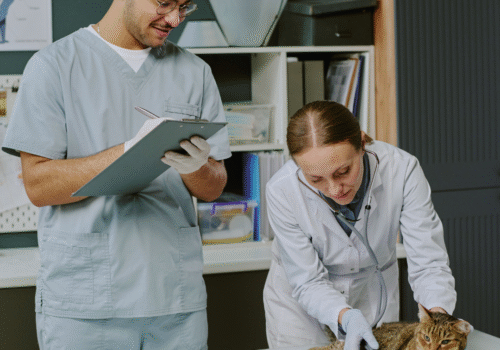
That’s where physio comes in. Not the “sports injury” kind most people think of, but physios who know exactly what happens to the body before, during, and after pregnancy. A pregnancy physiotherapist focuses on the real changes that happen to someone’s body when they’ve had a baby. They help with healing, not just strength. And they actually know how to deal with awkward things like bladder leaks, tailbone pain, and the weird clicking noises hips start making.
These issues are super common, but no one really talks about them. A lot of new parents just deal with the pain, thinking it’s normal. But just because it’s common doesn’t mean it should stay that way.
Common Problems No One Warns You About
It’s not just about being tired or sore. After pregnancy, people can deal with things like:
- Pelvic floor weakness, which makes things like laughing or coughing risky.
- Abdominal separation (called diastasis recti), where your tummy muscles split and don’t come back together right away.
- Back, hip, or tailbone pain, especially if labor was long or awkward.
- Posture problems, from holding the baby all the time or feeding in weird positions.
- Stiffness or joint pain, especially in the wrists, knees, and lower back.
Even simple stuff like getting out of bed or picking up a car seat can hurt. And if things aren’t healing right, these little pains can turn into bigger issues later on.
How a Pregnancy Physio Actually Helps
Pregnancy physiotherapists are trained to spot these problems and guide people through gentle ways to fix them. They don’t jump straight into full-body workouts or high-impact routines. Instead, they check things like how the muscles are working, if any joints feel unstable, or if the pelvic floor is doing what it should.
Then, they create a plan. That might mean some simple breathing exercises at first, then small movements that help muscles wake up and work together again. Some people need help with coordination or balance, especially if their core muscles are still weak. Others might need support with pain that won’t go away, or techniques for easing pressure when lifting or walking.
What’s cool is that it’s super personal. It’s not one-size-fits-all. The physio builds the recovery plan around what that specific person’s body needs—not just what some online workout video says.
It’s Not Just for “Fitness People”
You don’t have to be super active or into working out to need help from a physio after having a baby. This kind of support is for anyone who’s carried a baby, no matter their fitness level. Whether someone’s sporty or prefers the couch, pregnancy still affects their body the same way. It stretches muscles, strains joints, and puts a ton of pressure on the pelvic area.
Even years later, problems from pregnancy can still show up. So, seeing a physio isn’t just something for right after birth—it can help long after that, too.
Physical therapy helps with how the body moves, but it does not change the skin or the position of the muscles. Many women find that their stomach stays soft or the skin hangs even after they get their strength back. In these cases, a tummy tuck Miami specialist removes the extra tissue and repairs the core muscles. This procedure helps a person feel more like themselves again. It is a way to address the physical changes that exercise and time cannot fix.
Pregnancy often changes the shape and firmness of the chest area as skin stretches to accommodate nursing and weight fluctuations. While exercises help with muscle tone, they cannot always fix the way skin hangs or where the nipples sit. Many women find that their confidence improves when they address these physical changes through professional care. For those looking to restore their pre-pregnancy silhouette, a Breast Lift in New Orleans provides a way to remove excess skin and lift the tissue back to a more youthful position. This step helps many mothers feel more like themselves again after their bodies have gone through so much.
Starting Slow Is Totally Fine
One of the best things about working with a physio is that it takes the pressure off. There’s no need to “bounce back” fast or compare recovery to anyone else. Everyone heals at a different speed. Some people feel great after a few weeks, and others need more time—and that’s okay.
Physios also teach safe ways to move that make everyday life easier. Picking up a baby, getting off the couch, even sitting without pain—these are all things that can get better with the right kind of help.
What About Mental Health?
Physical pain or discomfort can make everything else harder. It’s already a big shift to care for a new baby, and if the body doesn’t feel right, it’s even more stressful. A good physio can be a game changer for confidence, comfort, and mental health, as just feeling stronger and more in control of your body again can make a huge difference in daily life.
For some people, physical recovery and emotional well-being go hand in hand, especially when post-pregnancy changes continue to affect comfort or confidence despite time and physiotherapy. In these situations, individuals may explore other supportive options alongside therapy, such as Tummy Tuck Surgery in Denver, CO or elsewhere as part of a broader, personal approach to feeling stronger and more at ease in their bodies.
The Main Takeaway
Recovery after having a baby isn’t just about losing weight or looking fit again. It’s about helping the body heal the right way. Muscles need time. Joints need support. And sometimes, things don’t go back to normal without a little help.
That’s where a pregnancy physiotherapist makes all the difference. They understand what’s happening inside the body and can guide healing from the inside out. Whether it’s pelvic floor issues, pain in weird places, or just feeling out of sync, they help people feel like themselves again—comfortably and safely.